sleep: how much do we really need?
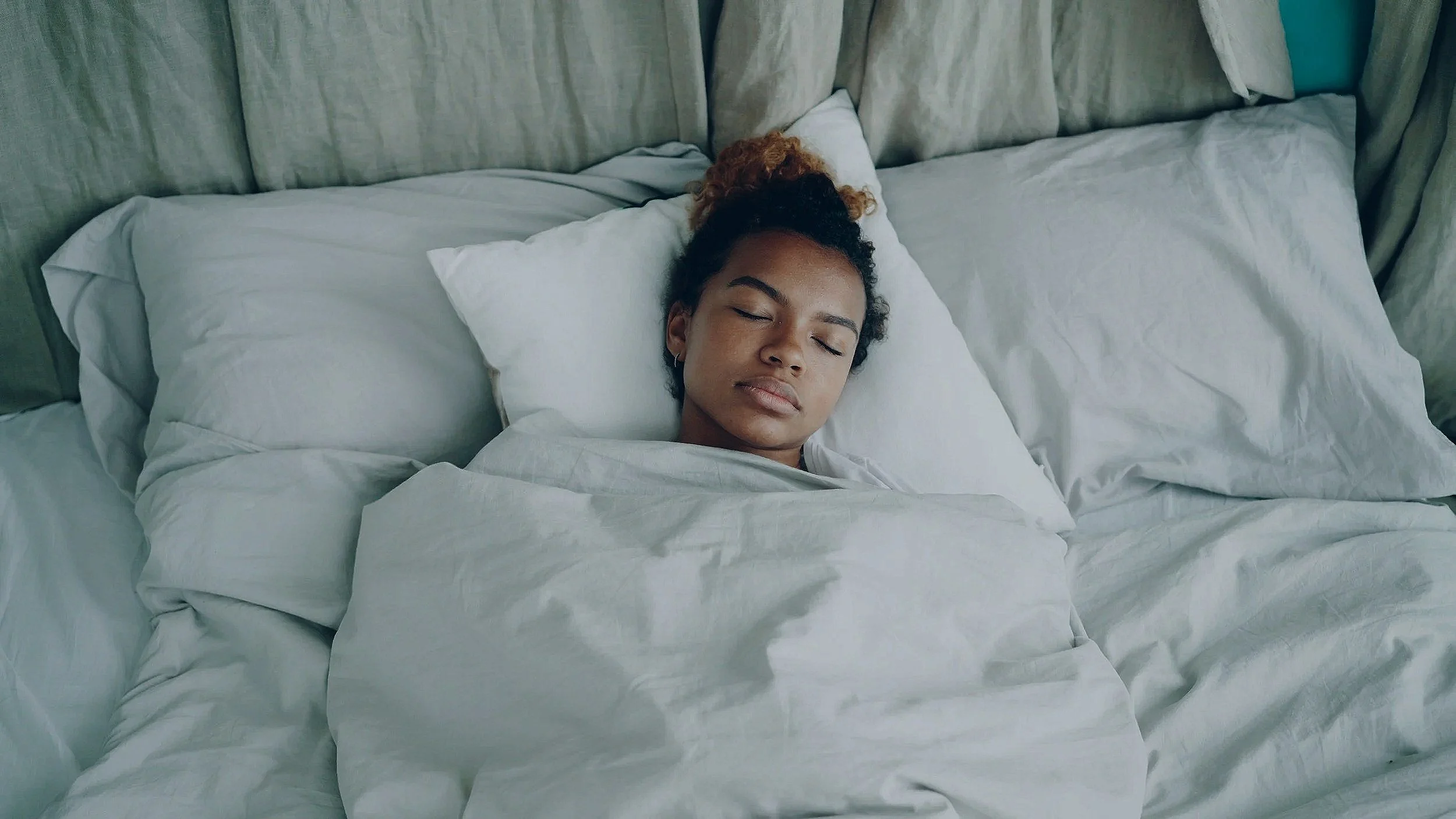
“…God’s perfect formula: 8 hours to play, 8 hours to work and 8 hours to sleep.”
-Barbara O’neill, Holistic Specialist
introduction.
Sleep. Some may deem it to be a favorite pastime while others find it to be a necessary wellness habit but difficult to get more of. Wherever you may find yourself to be on the spectrum, sleep is undeniably beneficial and required to maintain overall health. But, how much do we really need to achieve that. I personally feel the difference when I get 8 hours as opposed to 6 hours of sleep at night. I am more alert, my appetite is clearly defined, my attitude is well balanced, and I feel like I am doing my body good. When I compare that to getting 6 hours of sleep (or less), I can get tasks accomplished but I find I snack more often, I am more vulnerable to mood swings, and I can feel that I have low energy. In fairness, if we are getting 6 hours of sleep consistently, our body adjusts to that, and a sporadic 8 hours may induce tiredness because that’s out of the norm. Have you ever wondered why this is and should our bodies be adapting to less than 8 hours of uninterrupted sleep a night? With such a complex and vital form of wellness, its imperative we take a closer into sleep, its benefits, how much do we need and what are some common causes of insomnia (inability to fall asleep or stay asleep). Let’s dive in.
what is sleep?
Generally, many of us can answer this question but let’s analyze it from a scientific perspective. According to Harvard Medical School: Division of Sleep Medicine, sleep is described as an unconscious state of reduced activity with no reactions to stimuli. It is also described as a state that is easy to reverse, this is a key difference from a person being in a coma. The National Library of Medicine also expands on sleep and indicates that it is polyfunctional. This means it affects multiple different systems: cellular, gut microbiome and even affects our emotions and interactions with others. Sleep is also the state of being that allows our body to recover and restore from the events that happened that day and this goes beyond just physically but emotionally and socially.
REm vs nrem.
Sleep is divided into two alternative cycles: REM and NREM. REM stands for “rapid eye movement” because our eyes move the most during this time. This sleep cycle encompasses most dreams. As we age, the REM cycles shorten and start off at 5 minutes at the beginning of our sleep and can last up to 30 minutes at the end of our sleep state. Before we enter this stage, our body is in NREM sleep. This portion of sleep succeeds in three stages. Stage 1 is usually 5 to 10 minutes of sleep, and it is easy to wake up during this stage. During stage 2, the heart rate is lowering more and our breathing slows down. This stage of sleep can last between 10 to 25 minutes. Then the final stage of sleep is the deep sleep stage and if awakened during this time, we can experience disorientation and it take a while to “wake up”. This stage of sleep accounts for 25% of total sleep time. While in NREM sleep, our brain is inactive which is a direct contrast to REM sleep. Each sleep stage is vital to our health and shouldn’t be neglected. They each differ in their importance, let’s discover how.
benefits of sleep.
We’ve all been told we need to sleep and most of us can attest that we feel better after a good night’s rest. What causes this good feeling to be released after sleeping? When we sleep our body is releasing helpful hormones that aid in boosting our mood and immunity. Melatonin is released during the NREM cycle, specifically stage 1 of this cycle. Melatonin is released to regulate sleep by influencing our circadian rhythm (which is our body’s biological clock). Melatonin is released at night and shortly after we should be asleep and this keeps us aligned with light and dark cycles: work during the day, sleep at night. Melatonin is also known as the “fix and rejuvenate” hormone and help to validate the phenomena of “beauty sleep”. It accomplishes this by producing antioxidant properties which reduces free radicals in our skin. The fascinating aspect of this is that the hormone is released naturally through our skin when we sleep!
I’m sure we all understand in some way that sleep is a form of healing for our body, but do we understand how this happens? As we referenced above, the state of sleeping releases a variety of hormones. Prolactin is another example of the hormones released during sleep and it wears many hats. It is mostly known to produce milk production in pregnant and lactating women, but it is also connected to boosting immune health in men and women. Studies suggest that it can help the body to create T lymphocytes which is a type of white blood cell that is crucial for immune responses specifically by identifying infected cells and activating other types of immune cells. Groundbreaking studies have also shown that normal production of prolactin (HomeoFIT-PRL) is connected to proper insulin sensitive in the liver, fatty liver disease prevention and other metabolic disorders. Due to this connection, prescription drugs have been created to imitate the Prolactin effect in the body to reduce symptomatic metabolic disorders associated with obesity and other chronic diseases. Prolactin production is peak during REM sleep and can aid in deep sleep waves which helps to retain memories. Prolactin is also beneficial in reproductive health for men and women and can boost positive mood.
Another powerful element to sleep is growth. When we sleep, our pituitary gland, which oversees the release of hormones that influence overall growth, metabolism and reproduction, creates the Human Growth Hormone (HGH). In fact, sleep is the highest time of HGH secretion. This explains why babies and children need more hours than adults as HGH is integral in their maturation. Now, unfortunately HGH can’t make us adults taller but it still posses other beneficials qualities. People who practice strength training can serv to gain positively from HGH as it is a direct link to lean muscle mass growth by promoting protein syntheses which repairs muscle tissue after a workout. It also metabolizes breaks down) fatty tissue and directs nutrient density to lean muscle mass for growth instead of storing it as fatty tissue. HGH secretion also has immunity boosting properties, cellular repair and combats age related decline. All of this gained from a good night’s rest.
Causes to sleep interruption or insomnia.
After receiving our reader’s digest on some of the many benefits of sleep, its important to also consider what prevents restful sleep. The difficulty falling asleep or staying asleep even during an opportune time is called insomnia. Insomnia can be triggered psychologically and physically. Some psychological factors include stress, anxiety, depression, and diagnosed mental or memory disorders like bipolarism and Alzheimer’s disease. Some of the physical factors of insomnia can be anything that disrupts the circadian rhythm such as jet lag travel, work shift changes in environmental noise, acid reflux and extreme temperature discomfort. A major trigger to insomnia that can be associated with the new age is technology. Blue light from screens inhibits the natural time release of melatonin and causes many to stay up longer than anticipated. If you are experiencing insomnia symptoms, consulting your physician can help the psychological and some of the physical triggers. Also, implementing lifestyle changes like shutting off technology in the evening, having your last meal at least 2 to 3 hours before bed along with diet and exercise and a comfortable sleep environment can begin to reduce those symptoms as well.
so, How much sleep do we need?
When we consider the numerous benefits associated with sleep, it’s essential that we also know how much need to get per night. The answer to this question is influenced by age group. Below is a recommendation by WedMD on the amount of hours of sleep each age group should get per night:
Babies up to 12 months old: 12 to 17 hours (including naps)
Children up to 5 years old: 10 to 14 hours (including naps)
Children between 6 and 12 years old: 9 to 12 hours
Teenagers: 8 to 10 hours
Adults: 7 to 9 hours
When adults get 8 hours of sleep, 25% is spent in deep REM sleep which aids in memory retention. So, is it detrimental if we only get 6 hours of sleep? In short, yes. Consistently getting about 5 to 6 hours of sleep can lead to cognitive impairment and some of the ways this shows itself is through lack of concentration and the development of anxiety and depression. Lack of sleep can also cause weight gain. When our body isn’t triggering the amazing HGH, it’s heightened in ghrelin which is a hunger hormone and lacking in leptin which is the satiated hormone. Lack of adequate sleep can also cause irritability, mood swings and low immune responses. Essentially all the benefits we discussed, we forfeit through lack of sleep.
Are there factors in your life inhibiting a full sleep cycle? If so, we hope through this article you feel empowered to begin to change how you view sleep. Adequate sleep for each age group is crucial for a healthy life.
citations.
Sharon, Omer, et al. “The New Science of Sleep: From Cells to Large-Scale Societies.” PLoS Biology, vol. 22, no. 7, 8 July 2024, pp. e3002684–e3002684, https://doi.org/10.1371/journal.pbio.3002684.
“Getting the Sleep You Need: You and Your Biological Clock.” Sleep.hms.harvard.edu, sleep.hms.harvard.edu/education-training/public-education/sleep-and-health-education-program/sleep-health-education-51.
Levine, Hallie. “REM Sleep: What Is It, Why Is It Important, and How Can You Get More of It? - Harvard Health.” Harvard Health, 9 Sept. 2024, www.health.harvard.edu/healthy-aging-and-longevity/rem-sleep-what-is-it-why-is-it-important-and-how-can-you-get-more-of-it.
“Non-Rapid Eye Movement Sleep.” Wikipedia, 26 Oct. 2023, en.wikipedia.org/wiki/Non-rapid_eye_movement_sleep.
Robinson, Jennifer. “What Are REM and Non-REM Sleep?” WebMD, WebMD, 16 Nov. 2022, www.webmd.com/sleep-disorders/sleep-101.
“Non-Rapid Eye Movement Sleep - an Overview | ScienceDirect Topics.” Www.sciencedirect.com, www.sciencedirect.com/topics/neuroscience/non-rapid-eye-movement-sleep.
de Andrés, Isabel. “Functional Anatomy of Non-REM Sleep.” Frontiers in Neurology, vol. 2, 2011, www.ncbi.nlm.nih.gov/pmc/articles/PMC3215999/, https://doi.org/10.3389/fneur.2011.00070.
Brighten, Dr Jolene. “Which Hormones Affect Sleep? The Hormone-Sleep Connection Explained.” Dr. Jolene Brighten, 9 June 2016, drbrighten.com/hormones-and-sleep/.
Kim, Tae Won, et al. “The Impact of Sleep and Circadian Disturbance on Hormones and Metabolism.” International Journal of Endocrinology, vol. 2015, no. 591729, 11 Mar. 2015, pp. 1–9, www.ncbi.nlm.nih.gov/pmc/articles/PMC4377487/, https://doi.org/10.1155/2015/591729.
“When Do Hormones Get Released during Sleep Cycle - Search Videos.” Www.bing.com, www.bing.com/videos/riverview/relatedvideo?q=when+do+hormones+get+released+during+sleep+cycle&mid=D77FAC335BF73FF76CFDD77FAC335BF73FF76CFD&churl=www.youtube.com/channel/UC9slDwNxCcprLF9yeeQeG1g&mcid=86A3599EA32343F7BD075213A3A729B9&FORM=VIRE. Accessed 19 May 2026.
“Natural Melatonin: Ways to Boost, Tips, and More.” Www.medicalnewstoday.com, 19 Apr. 2022, www.medicalnewstoday.com/articles/natural-melatonin.
Mayo Clinic. “Melatonin.” Mayo Clinic, 3 Mar. 2021, www.mayoclinic.org/drugs-supplements-melatonin/art-20363071.
Cleveland Clinic. “What Is Circadian Rhythm?” Cleveland Clinic, 15 Mar. 2024, my.clevelandclinic.org/health/articles/circadian-rhythm.
Cleveland Clinic. “Prolactin: What It Is, Function & Levels.” Cleveland Clinic, 21 Aug. 2023, my.clevelandclinic.org/health/body/prolactin.
Yazmín Macotela, et al. The Beneficial Metabolic Actions of Prolactin. Vol. 13, 23 Sept. 2022, https://doi.org/10.3389/fendo.2022.1001703.
Wikipedia Contributors. “T Cell.” Wikipedia, Wikimedia Foundation, 19 Sept. 2019, en.wikipedia.org/wiki/T_cell.
Cleveland Clinic. “Pituitary Gland: What It Is, Function & Anatomy.” Cleveland Clinic, 4 Apr. 2022, my.clevelandclinic.org/health/body/21459-pituitary-gland.
team, NeuroLaunch editorial. “Hormone Levels during Sleep: Understanding Nocturnal Peaks and Their Impact.” NeuroLaunch.com, 26 Aug. 2024, neurolaunch.com/which-hormone-levels-peak-during-sleep/. Accessed 19 May 2026.
Cleveland Clinic. “Human Growth Hormone (HGH).” Cleveland Clinic, 21 June 2022, my.clevelandclinic.org/health/articles/23309-human-growth-hormone-hgh.
“Does Human Growth Hormone (HGH) Heal Injuries?” Biology Insights, 14 Dec. 2025, biologyinsights.com/does-human-growth-hormone-hgh-heal-injuries/#google_vignette. Accessed 19 May 2026.
Mayo Clinic. “Insomnia - Symptoms and Causes.” Mayo Clinic, Mayo Clinic, 2024, www.mayoclinic.org/diseases-conditions/insomnia/symptoms-causes/syc-20355167.
“What Causes Sleep Interruption or Insomia - Search Videos.” Www.bing.com, www.bing.com/videos/riverview/relatedvideo?q=what+causes+sleep+interruption+or+insomia&mid=02C00762467601C2306B02C00762467601C2306B&churl=www.youtube.com/channel/UC-_aWEhUBpH86D1VR0OhVrw&mcid=3840CB93525A41969927AC082E4F9D57&FORM=VIRE. Accessed 19 May 2026.